Semi Truck Power Inverters

A power inverter is an electrical device designed to convert direct current (DC) coming from your truck’s 12 or 24 Volt battery into alternating current (AC). The inverter allows you to plug your conventional 110 Volt devices in your semi truck just like into the wall outlet, anytime, anywhere. Thanks to a power inverter, you can use a big flat-screen TV, gaming console, heater, microwave, and even a coffee machine in your sleeper cabin making it feel like home away from home. Also, you can use regular power tools like an air compressor, drill, or grinder to perform some emergency repairs when you are stuck on the road far from civilization.
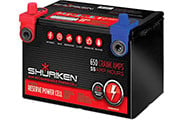
Some big-rig trucks with large sleeper cabins have dedicated compartments for the installation of semi truck power inverters – right next to the batteries. The closer the inverter is to the battery or the block of batteries wired in parallel, the better. It is recommended to wire the power inverter to an auxiliary deep-cycle battery connected to the alternator through an isolator module that prevents it from draining the engine crank battery when the motor is not running. To choose the power inverter that can meet all of your requirements, you have to estimate the total power that needs to be provided by the device at once.
If you need to charge a laptop, portable camera, handheld gaming console, or cordless razor or toothbrush from time to time, you can use a simple portable power inverter rated for 100 up to 400 Watts that can be plugged into the cigarette lighter socket. Some models also come with USB ports for charging your smartphones, MP3 players, and so on. In case you plan on using an electric heater, big-screen TV, gaming console, and a microwave at the same time, you have to opt for a much more powerful inverter (from 3000 up to 6000 Watts). It is recommended to hook up these large semi truck power inverters directly to the battery using the thickest wires of the shortest length.
It's better to position the power inverter closer to the battery and run an extension cord from the inverter to your appliances than run longer wires from the battery to the inverter. The general rule is that the length of the cables from the DC side cannot exceed 10 feet. The reason is in the difference in properties of direct and alternating currents. AC is much more efficient to distribute. The time your inverter may draw power from the battery without a recharge is limited. Power-hungry appliances, such as hair dryers or microwaves cannot work at all when the engine is off. Besides running your motor, you may install solar panels to recharge your battery.
Some charging terminals for cordless power tools and appliances may have warning labels on them saying that dangerous high voltage is present inside. Do not plug such devices into the inverter because it may cause damage to the batteries charged in these terminals. However, the majority of portable charging terminals have separate transformers supplying low voltage to the batteries, so they are safe to use with your power inverter. Never mount the inverter in the engine compartment. It must be installed on a flat surface in a cool, dry location protected from water and oil spills. Note that the contact with 110 Volts of current can have lethal consequences. Please read the owner’s manual carefully.